
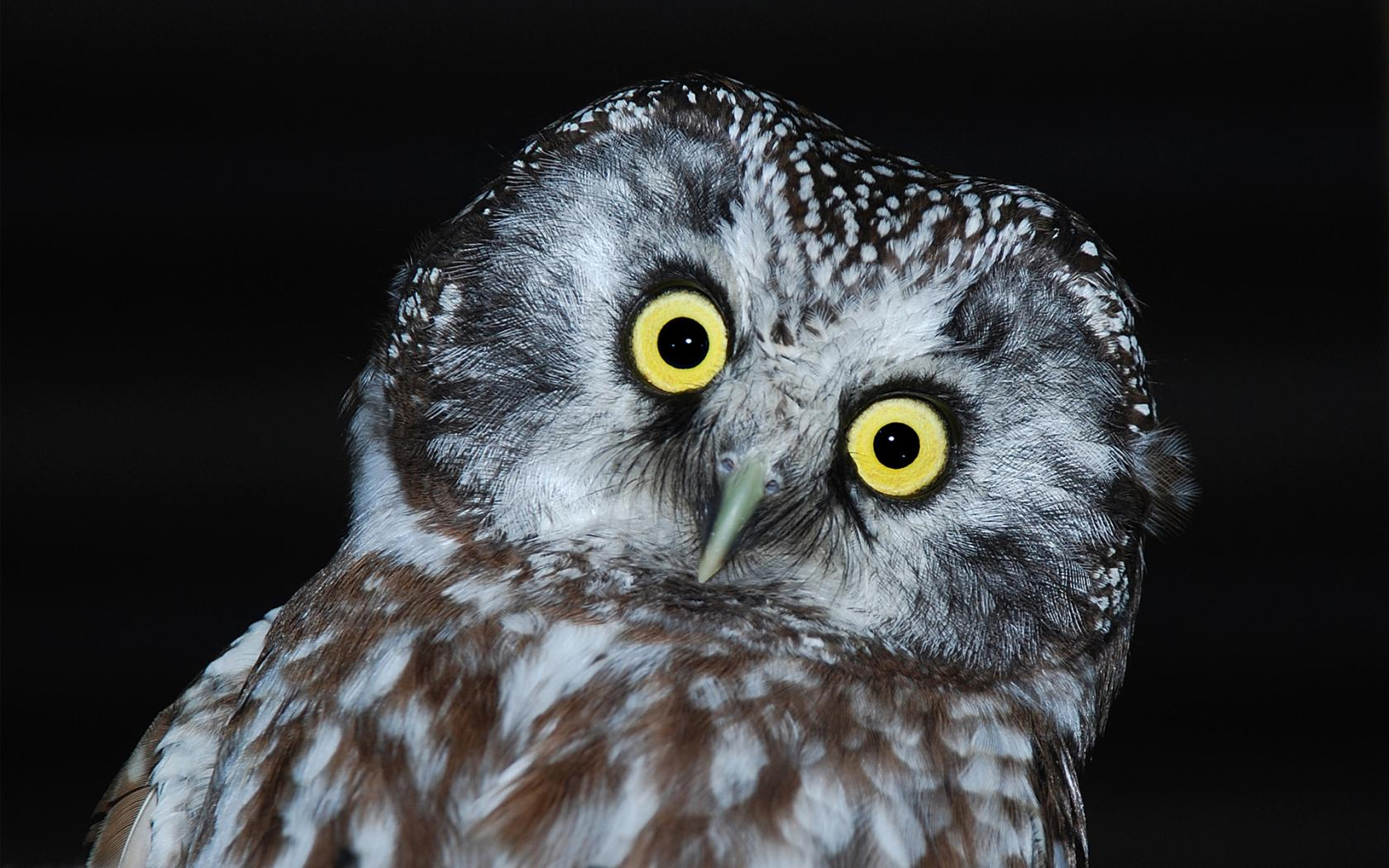
In the days leading up to our concert, Together We Sing, the author of our programme notes provides an alternative look at the pieces featured on Saturday 6th June. The series may be interspersed with other posts but will be more or less daily! We hope you enjoy it.
“Hope” is the Thing with Feathers
And you read your Emily Dickinson and I my Robert Frost.
And we note our place with bookmarkers that measure what we’ve lost.
How many first heard of Emily Dickinson listening to Simon and Garfunkel’s, Dangling Conversation? Or of Robert Frost?
A prolific writer, only 10 of Dickinson’s nearly 1,800 poems were published during her lifetime. And, even more curiously, few in Dickinson’s circle were even aware of her work until they were discovered in her desk after her death by her younger sister, Lavinia.
Today these poems, which deal primarily with nature and mortality, are widely regarded as ground-breaking. The extensive use of dashes and unconventional capitalization in Dickinson’s manuscripts, and the idiosyncratic vocabulary and imagery, combine to create a body of work that exhibits a far greater range of styles and forms than is commonly supposed, though this was not always appreciated (in either sense of that word). The first selection of her poems, published 1890, were significantly edited to fit the prevailing poetic conventions of the time, but her individual use of punctuation and lineation was important and following the publication of one of the few poems that appeared in her lifetime, she complained that the changes (an added comma and a full stop substitution for a dash) altered the meaning of the entire poem.
Dickinson’s work, including, ‘Hope’ is the thing with feathers, has been set by numerous composers including Aaron Copland and Samuel Barber. In Christopher Tin’s hands, ‘Hope’ becomes, in his words, “a meditation on the fragility of nature, as well as our own hand in its destruction … but deep within its downy melodic layers beats a warm heart of hope, like the song of a small bird in a storm”.
Not quite so for Simon and Garfunkel in 1966:
Like a poem poorly written
We are verses out of rhythm,
Couplets out of rhyme,
In syncopated time
And the dangling conversation
And the superficial sighs,
Are the borders of our lives.
Leave a Reply