

“Magister, quam oderam linguam Latinam! It’s obsolete, it’s boring – it’s a complete waste of time!” “Contra iuvenis: the language of Romulus is a cultural taproot and a mental gymnasium for expanding minds. Keep at it and one day you’ll be glad you did. Hurry along now, you’ll be late for Matins.”

Hopeless with languages when at school (I barely scraped through English O-level), it was when perversely pursuing a career in linguistics and ipso facto as an English language teacher that the latent value of all those mind-deadening conjugations began paying back a little of the old beak’s vaunted promise. Ergo when in the company of students from ‘Romance’ language backgrounds – exempli gratia Spaniards and Italians – who seemed to find my comparatively ‘latinate’ rendition of our lingua franca quite accessible, notwithstanding the odd splash of Anglo-Saxon to lend it that twist of authenticity. That not all of my fellow teachers were always able to deploy this technique may have been down to the fact that my idiolect had been from an early age so heavily ingrained with that substrate of Latin, which along with old Norse and Saxon, forms the general scrim underlining what today we call standard modern English.
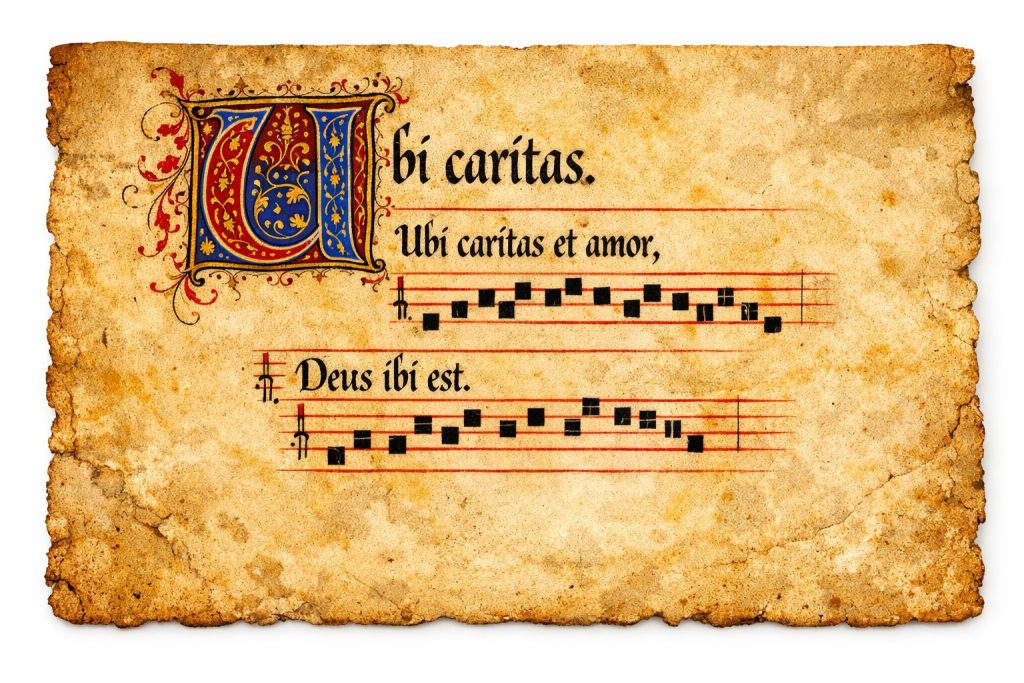
Over time, the teaching career exposed me to all sorts of linguistic warps and wefts undergirding languages as diverse as Arabic, French, Polish and Portuguese. Though far from fluent in any of them (or indeed any dialect with the arguable exception of my own ‘RP’), it was when I moved into international business that the linguistics came most in handy, sometimes smoothing pathways through tricky conversations or helping close deals, a benefit that can be traced back in large part to all that amo, amas, amat bashing in the long ago days of short grey trousers.
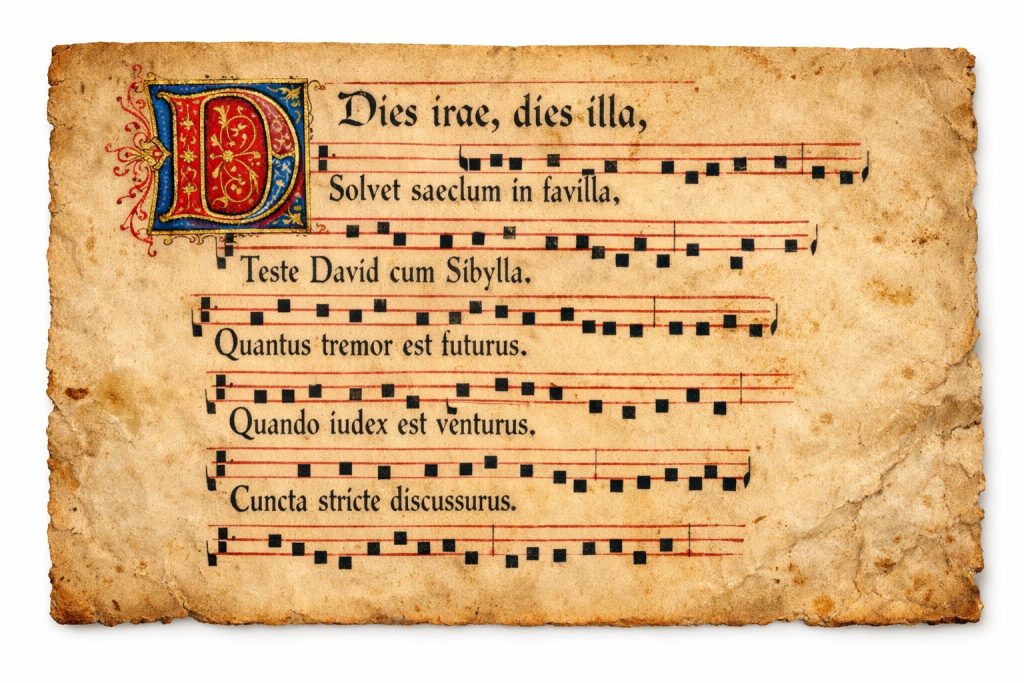
I think I would be done with Latin by now, were it not for the weekly rumble at the back of the choir with the basses where the old language is still cantillated on a regular basis. And who could want but otherwise, when so many of choral music’s most beautiful works are versed in that very same language of Romulus my old teacher bade me stick with all those years ago: the Requiems, the Glorias, the Ave Verums, Ave Marias and Stabat Maters, along with so many others which if they are not themselves always sung today in Latin, very often started out life that way: even the ineffably elegant and untranscribably Gallic ‘Cantique de Jean Racine’, which we shall be singing at our concert in June, owes its origins to a Latin hymn: ‘Consors paterni luminis’.
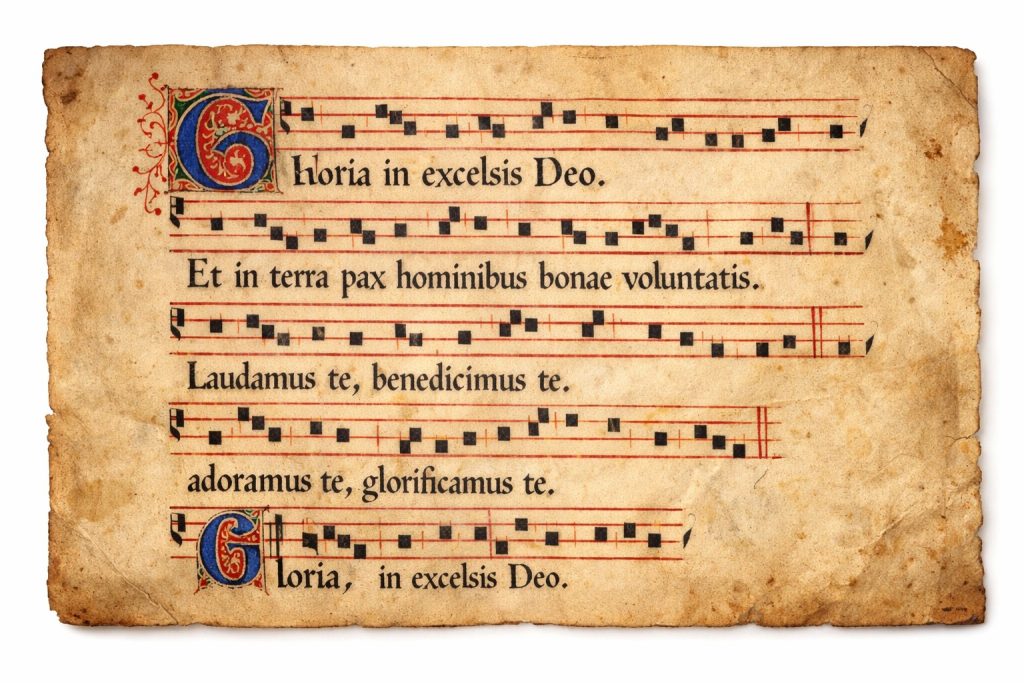
Lingua Latina: there’s really no escaping it. Ut hic demonstratum est, adhuc pars status quo vitae nostrae cotidianae in hoc mundo est, et diu ita maneat.
By Alex Perkins, basso…
Leave a Reply