
Sing Something, Simple
What was the first song you remember singing with other people? Something at your infants’ school? Or primary school? Hymns at morning assembly as required by the 1944 Education Act? (The assembly was required, not the hymns). Or something more folky? The Bonnie Banks o’ Loch Lomond? Hearts of Oak? The Skye Boat Song?
In September 1939 the BBC started broadcasting Singing Together and every Monday morning at 11 am for the next 60 years schools across the country would turn on the radio and their pupils would belt out Cockles and Mussels and other familiar tunes.
The programme, which focused on folk songs from around the British Isles, was sniffed at by some at the BBC because it didn’t do enough in the way of formal music teaching, but in schools it was hugely popular. At one point an estimated eight out of 10 schools were tuning in – as well as others.
Not that the programme wasn’t without its controversy. In 1974 a row erupted over a Welsh song called Hunting the Hare. The BBC was flooded with letters of complaint, including those from the RSPCA and the National Society for the Abolition of Cruel Sports. Letters were sent to national newspapers. There were even reports of a rebel class in Wiltshire who refused to sing the song.
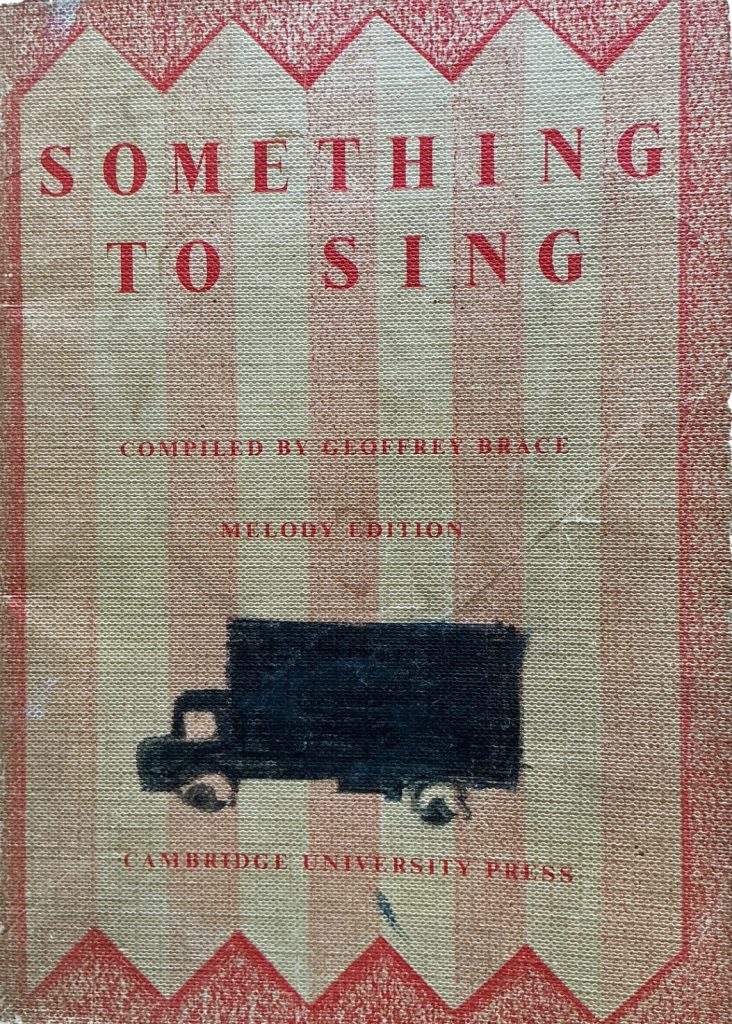
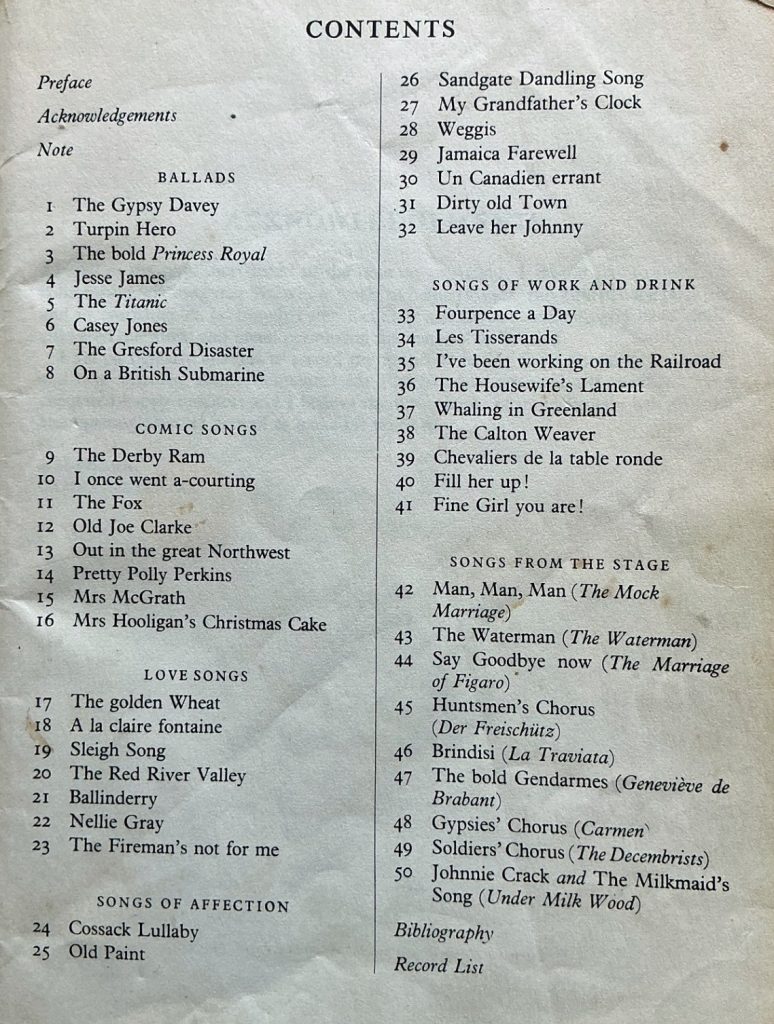
And at secondary school? In 1963, Geoffrey Brace published his Something to Sing, a broad of collection of ballads, comic songs, love songs and others ranging from Pretty Polly Perkins (of Paddington Green) through My Grandfather’s Clock to Say Goodbye Now (Non più andrai) from The Marriage of Figaro which became a staple of many music classes.
And what about singing The National Anthem of the Ancient Britons to the tune of Men of Harlech round the campfire at Scout and Guide camps?
What’s the good of wearing braces,
Vests and pants and boots with laces,
Spats or hats you buy in places
Down in Brompton Road?
Well, we’ve all got to start somewhere.
The second verse makes a bit more sense:
Romans came across the Channel
All wrapped up in tin and flannel:
Half a pint of woad per man’ll
Dress us more than these.
Saxons, you can waste your stitches
Building beds for bugs in britches:
We have woad to clothe us, which is
Not a nest for fleas.
Romans keep your armours;
Saxons your pyjamas:
Hairy coats were meant for goats,
Gorillas, yaks, retriever dogs and llamas.
It is 1959, Luton are about to lose 1-2 to Nottingham Forest in the Cup Final (beat Leicester in the 4th round replay) and I am in my first year at the Thomas Coram’s Foundling Hospital in Berkhamsted (formerly the Hospital for the Maintenance and Education of Exposed and Deserted Young Children).
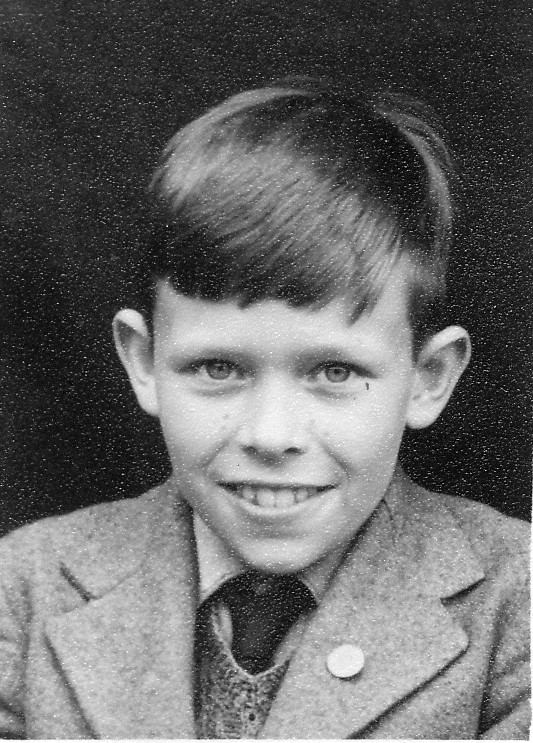
David O’Dell, tenor; also known as David Woadhill (as we were known 1,000 years ago)!
Leave a Reply