
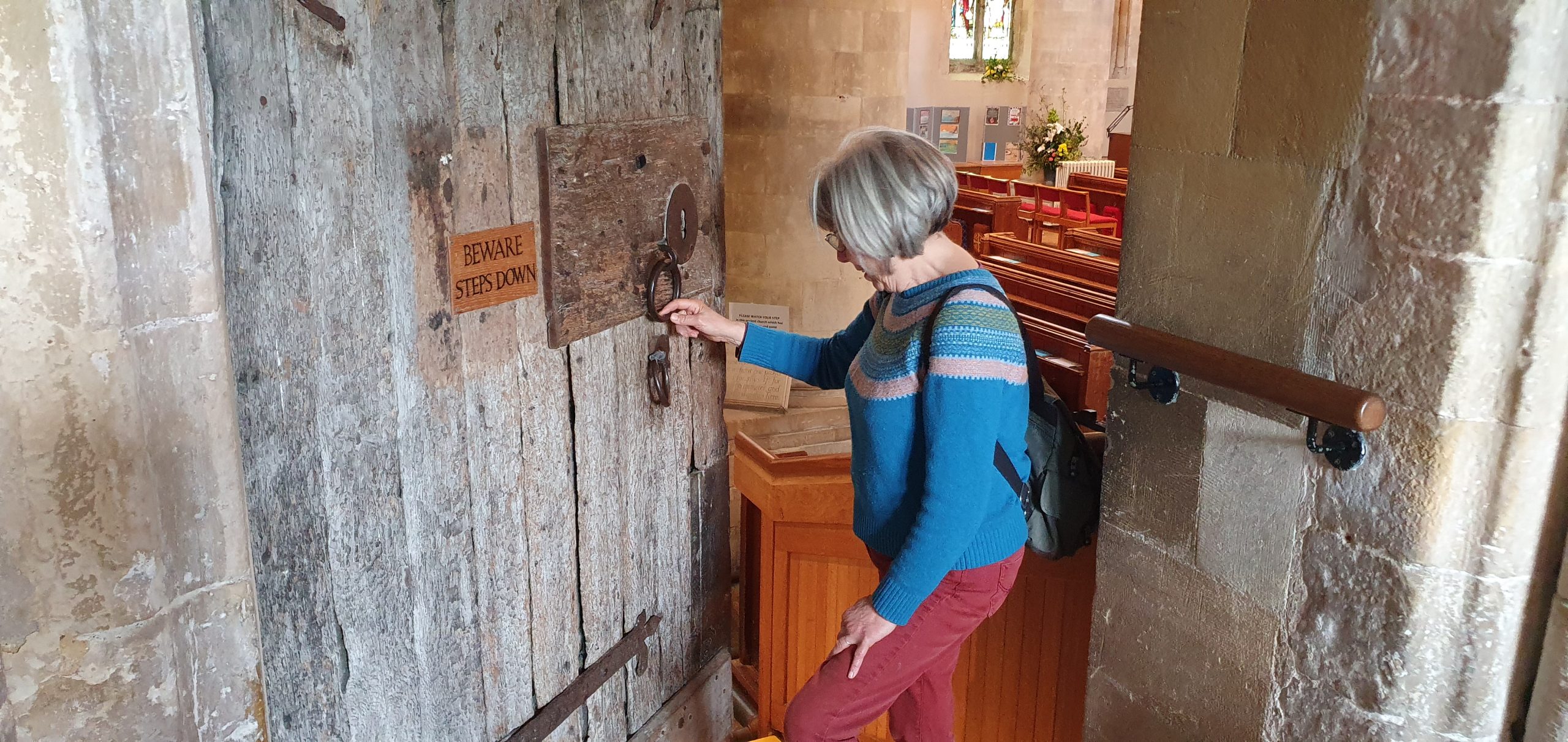
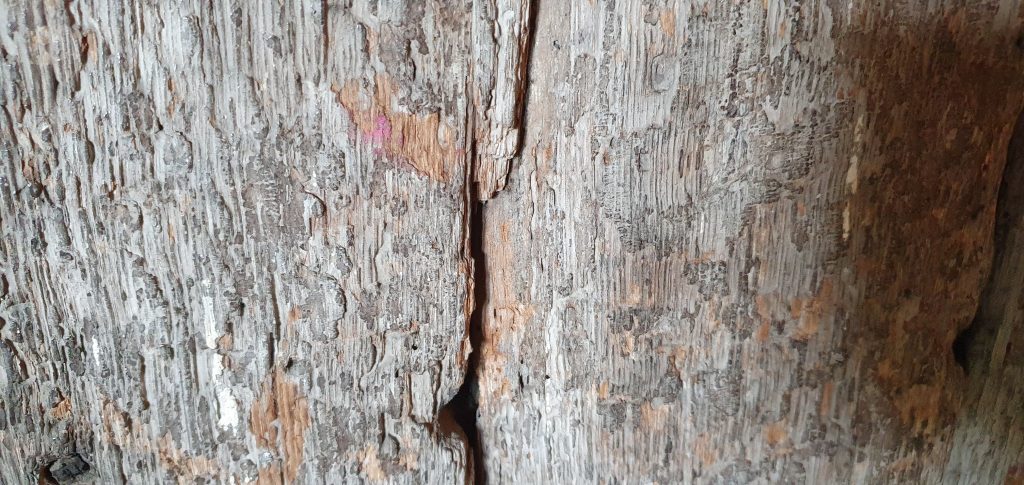
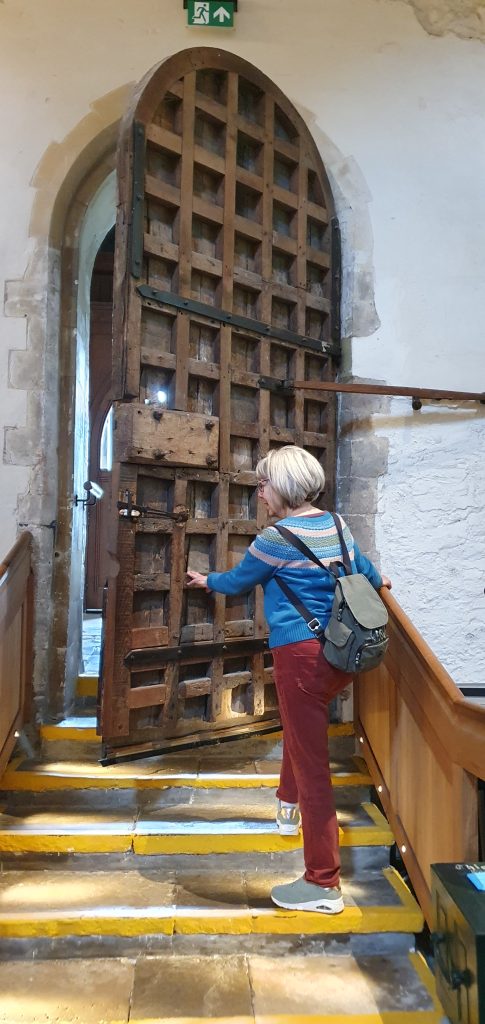
Ancient church doors were once covered in hide, stretched and nailed in place to protect the wood and painted bright red. There is even a myth that the hides were the skins of Vikings, put there to warn off would-be raiders! I was reading the other day about the ancient door at St Andrew & St Cuthman’s, Steyning, our local Norman parish church. It’s amazing to think how something so ordinary can survive so long – it could potentially be a thousand years old, like the church itself – and how many people must have passed through it over the centuries.
Archaeology is one of my interests; I love learning about the past and the traces it leaves behind. But my other great passion is music. The two come together rather nicely, because our Chorus sings in this beautiful church, a place where history still feels very close.
Each rehearsal and concert we sing in the church is a link to this past. Although the music has changed over the centuries, the idea of people coming together to sing in this space hasn’t. There is something special about adding our voices to that long tradition.
One of the best things about the Chorus is the range of music we sing. We will be working on a complete classical work for one concert and a varied selection of shorter, more modern pieces for the next. It keeps rehearsals interesting and gives everyone something to enjoy, with plenty of challenges but lots of fun and laughter along the way.
So while pushing open an ancient, heavy church door sparks my interest in the past, it’s the music inside that brings the place to life. It’s the perfect combination for anyone interested in history and music.
By Kari Koonin, alto, talented cellist. Ed.
Leave a Reply